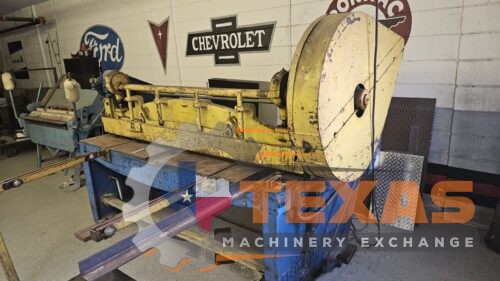
Overview of Shear Cutters
Shear cutters are essential tools in the manufacturing industry, designed to cut through various materials with precision and efficiency. These machines are widely used in metalworking, allowing operators to create intricate shapes and designs while ensuring high-quality finishes.
Available in various configurations, shear cutters can handle different thicknesses and types of materials, such as steel, aluminum, and plastic. The versatility of shear cutters makes them a valuable asset for businesses looking to enhance their production capabilities and reduce waste during the cutting process.
Benefits of CNC Machines
CNC machines revolutionize the manufacturing process by automating tasks that require precision and repeatability. The integration of computer technology allows for enhanced control over the machining process, resulting in improved accuracy and reduced human error.
With features such as programmable settings and the ability to run multiple machines simultaneously, CNC machines significantly increase productivity. Businesses that invest in CNC technology often see a rapid return on investment due to lower operational costs and higher output rates.
How to Choose the Right Machinery
Selecting the appropriate machinery for your business needs involves several considerations, including the type of materials you will be working with, the desired production volume, and the complexity of the tasks. It's crucial to assess your specific requirements to ensure you invest in the right equipment.
Consulting with industry experts, reviewing product specifications, and considering customer reviews can provide valuable insights into the best machinery options. Additionally, evaluating after-sales support and warranty options can help secure a long-term investment in your production capabilities.
Maintenance Tips for Shear Cutters
Regular maintenance of shear cutters is vital to ensure optimal performance and longevity. Implementing a routine inspection schedule can help identify potential issues before they escalate, minimizing downtime and repair costs.
Key maintenance practices include cleaning the machine after use, checking and replacing worn blades, and ensuring all mechanical components are lubricated and functioning correctly. By prioritizing maintenance, businesses can enhance the reliability of their shear cutters and maintain high production standards.