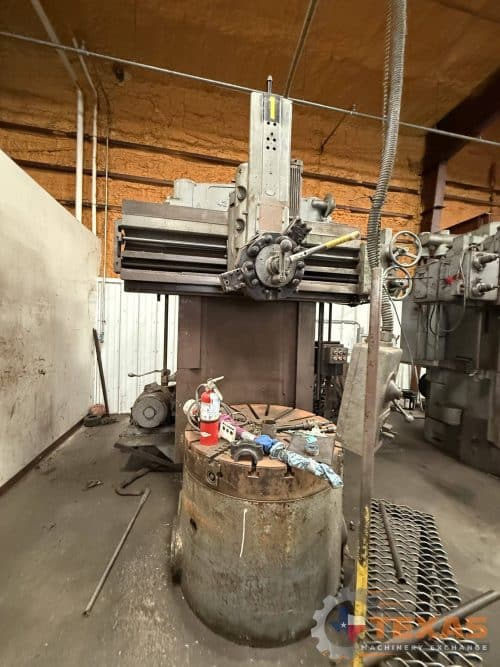
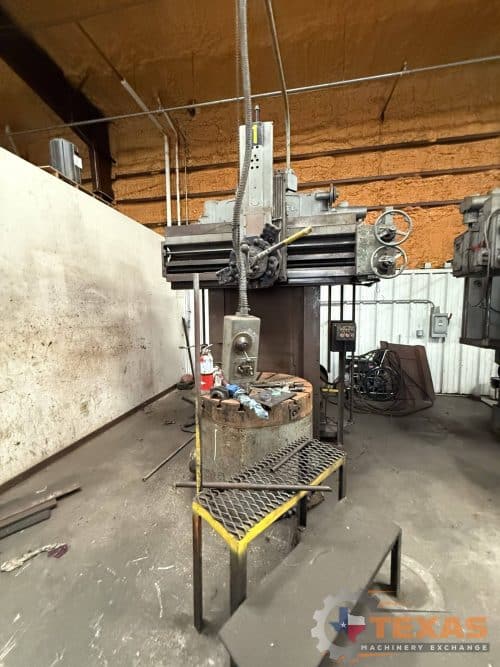
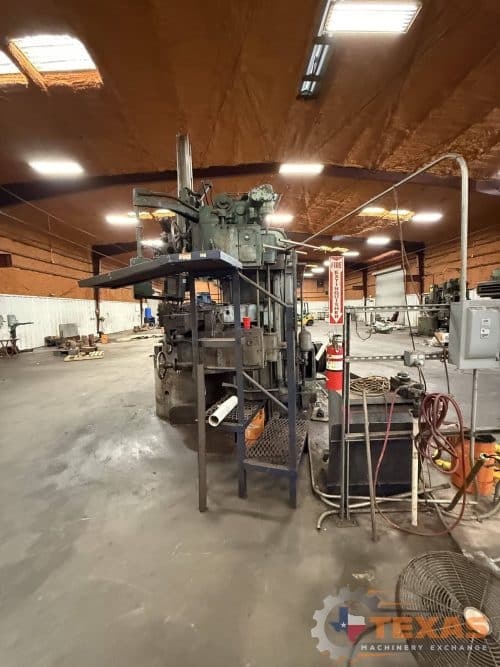
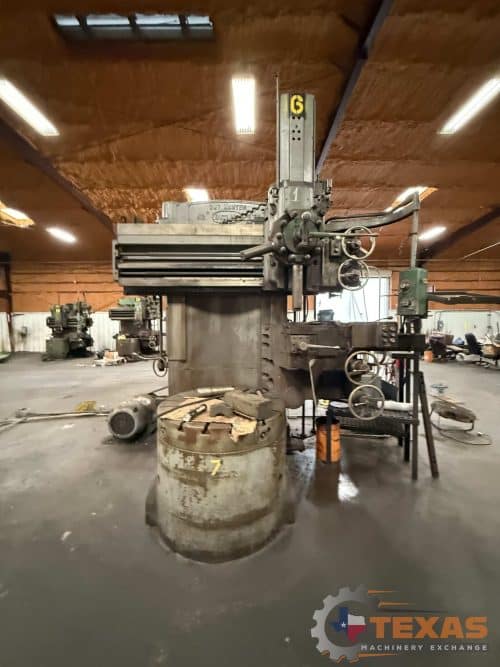
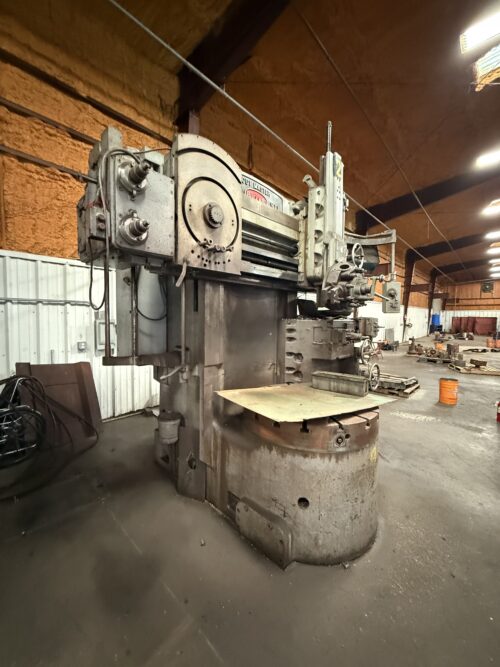
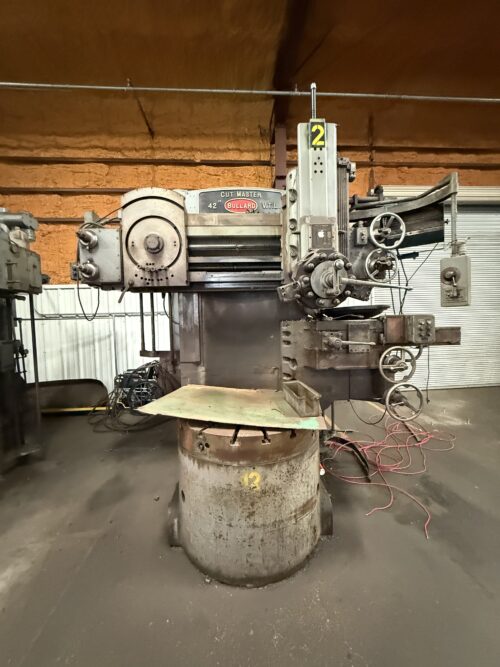
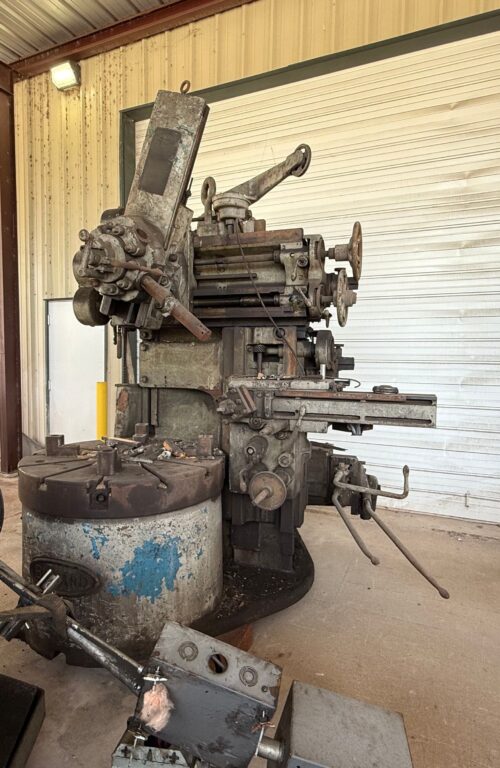
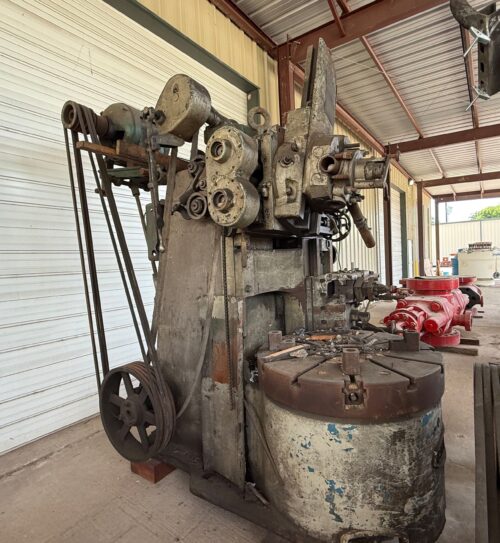
Overview of Vertical Turret Lathes
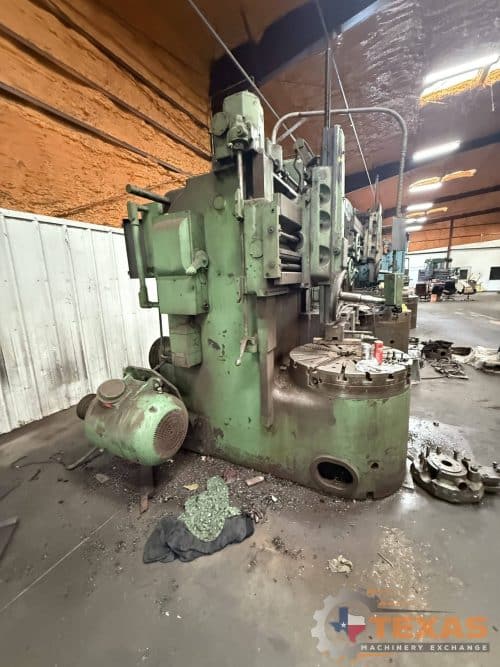
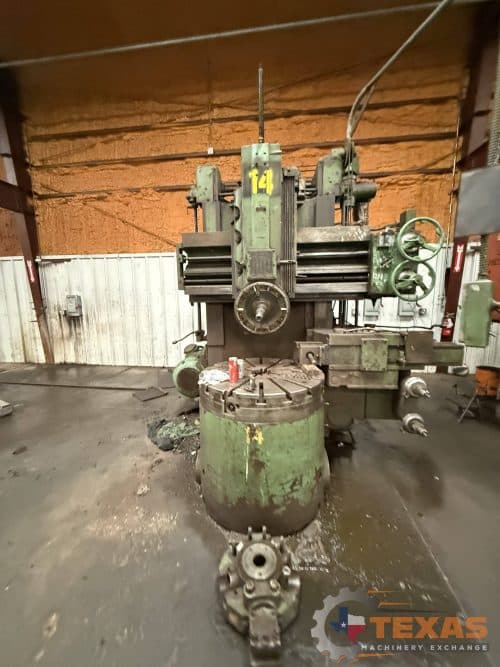
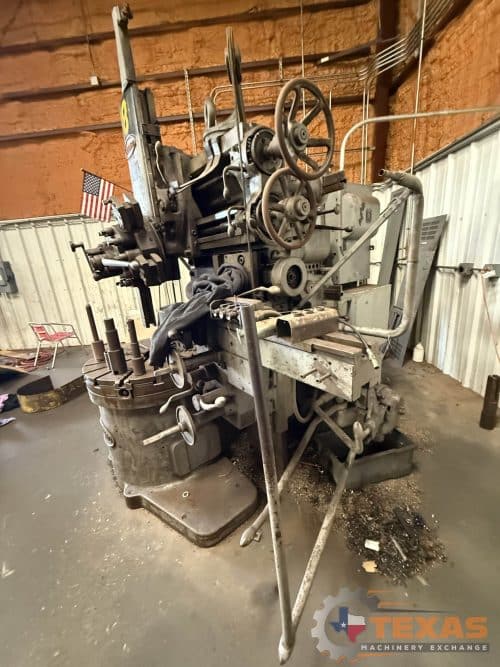
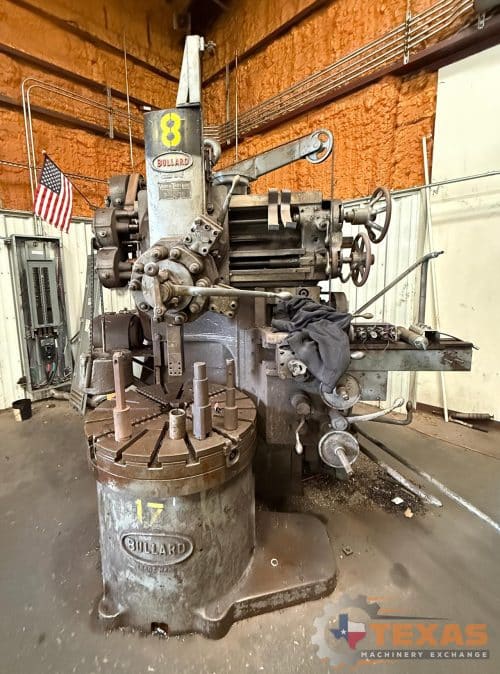
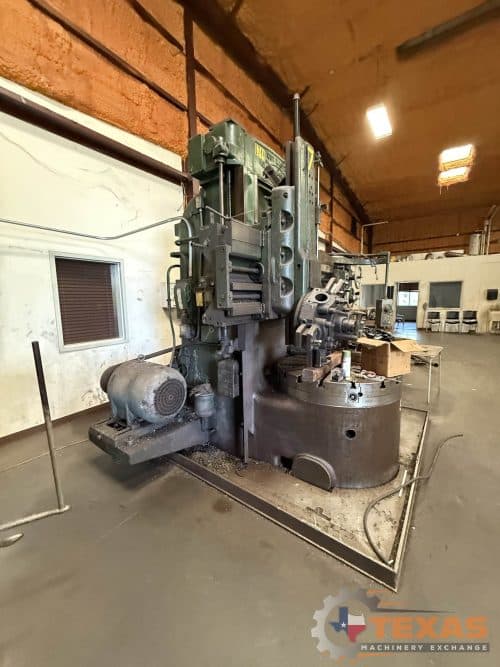
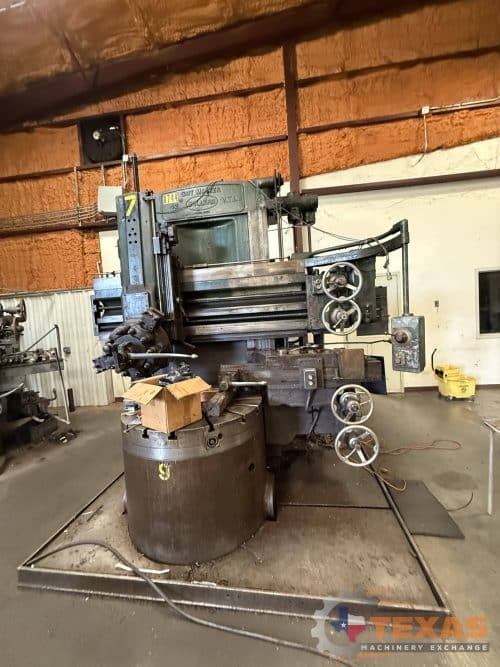
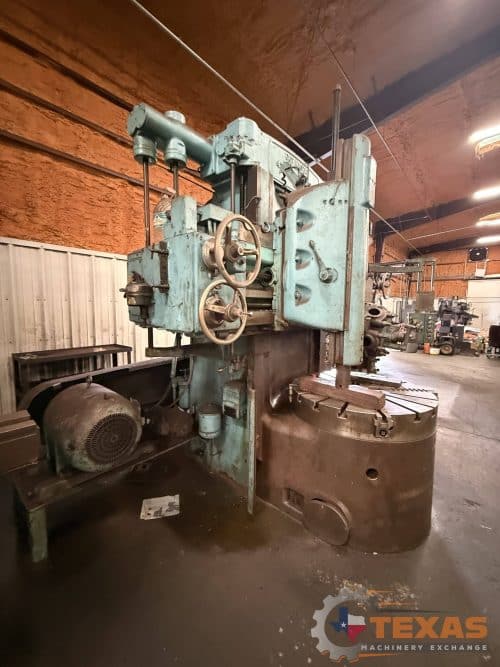
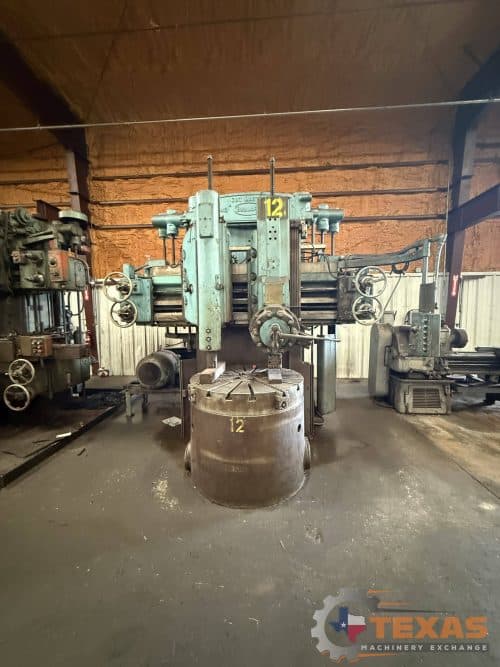
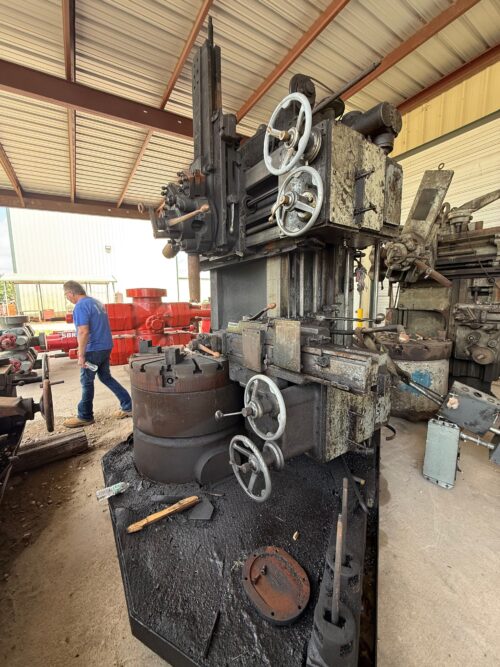
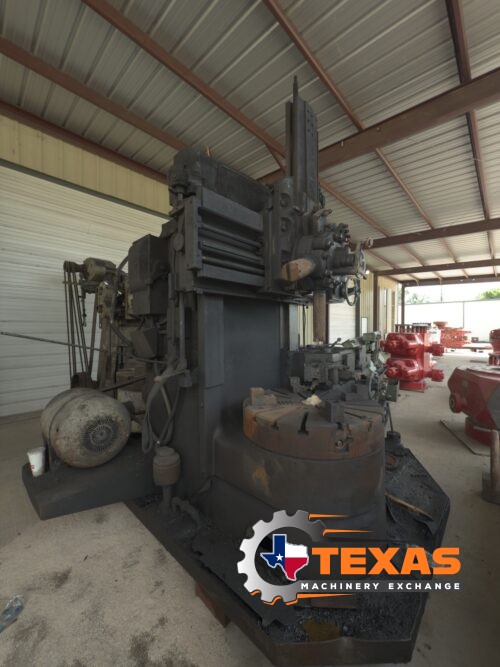
Vertical turret lathes (VTLs) are essential machines in the manufacturing industry, designed for precision machining of large workpieces. Their vertical orientation allows for easy loading and unloading of heavy materials, making them ideal for tasks such as turning, boring, and facing.
These machines are commonly used in various sectors including aerospace, automotive, and heavy equipment manufacturing. The versatility of VTLs enables them to handle a wide range of materials, from metals to plastics, ensuring they meet the diverse needs of manufacturers.
Benefits of Purchasing Used Machinery
Buying used machinery, such as vertical turret lathes, offers several advantages for businesses looking to optimize their production capabilities. Cost savings is one of the primary benefits, as used equipment can significantly lower initial investments compared to new machinery.
Additionally, used machinery often comes with a proven track record, allowing buyers to assess reliability and performance based on previous usage. This can lead to informed purchasing decisions and better return on investment, especially for companies with budget constraints.
How to Choose the Right Vertical Turret Lathe
Selecting the appropriate vertical turret lathe involves considering several factors, including the size of the workpieces, the materials being machined, and the specific machining tasks required. It's crucial to evaluate the machine's specifications, such as spindle speed, power capacity, and tooling options.
Moreover, assessing the machine's condition and history is vital. Prospective buyers should request maintenance records and inspect the equipment for wear and tear to ensure they are making a sound investment that will meet their operational needs.
Maintenance Tips for Vertical Turret Lathes
Proper maintenance of vertical turret lathes is essential for ensuring longevity and optimal performance. Regularly scheduled maintenance tasks include cleaning, lubrication, and inspection of critical components to prevent breakdowns and costly repairs.
Additionally, operators should be trained to recognize signs of wear or malfunction, allowing for timely interventions. Implementing a proactive maintenance schedule can enhance the machine's efficiency and extend its operational lifespan, ultimately benefiting the business.