Why Choose Used Machinery?
Opting for used machinery can significantly reduce operational costs for businesses in the manufacturing and industrial sectors. Many companies find that high-quality, pre-owned equipment meets their production needs without the hefty price tag associated with brand-new machines.
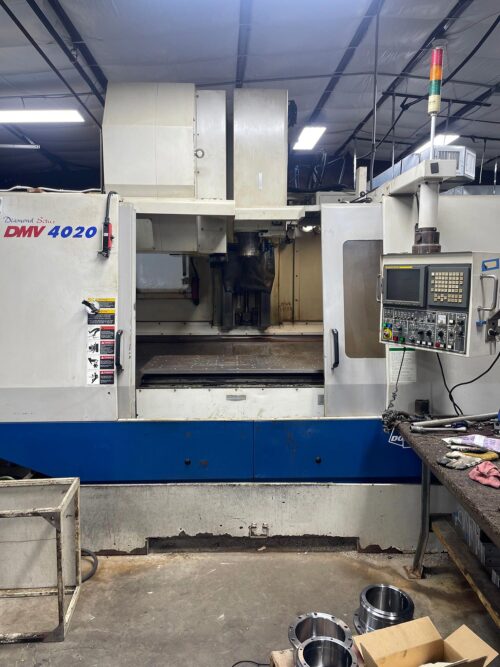
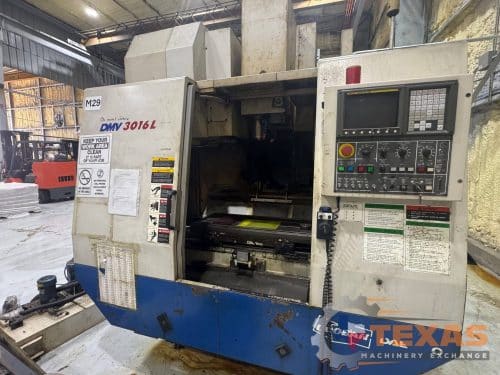
For instance, businesses can save thousands of dollars by purchasing used CNC machines that have been well-maintained and come with a proven track record. This not only allows for budget flexibility but also enables companies to invest in other critical areas of their operations.
Benefits of CNC Machines in Modern Manufacturing
CNC machines are essential tools in modern manufacturing, providing precision and efficiency that manual machines cannot match. These automated systems enhance production capabilities, allowing for higher output and reduced labor costs.
Additionally, CNC machines can perform complex tasks with high accuracy, making them ideal for industries such as aerospace, automotive, and electronics. By integrating CNC technology, businesses can improve product quality and consistency, ultimately leading to greater customer satisfaction.
Understanding the Types of Used Machinery
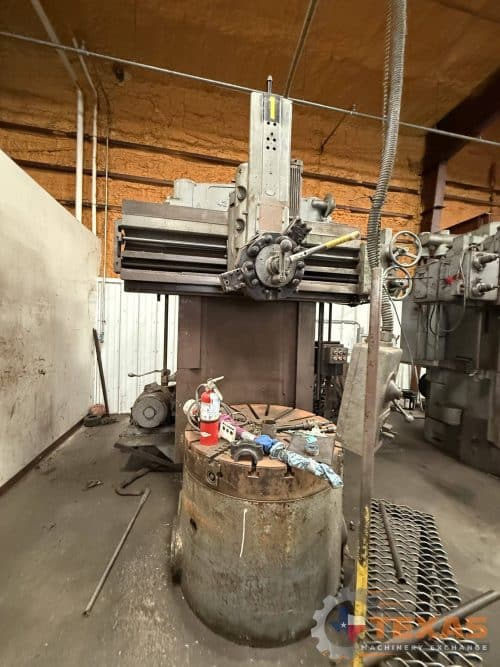
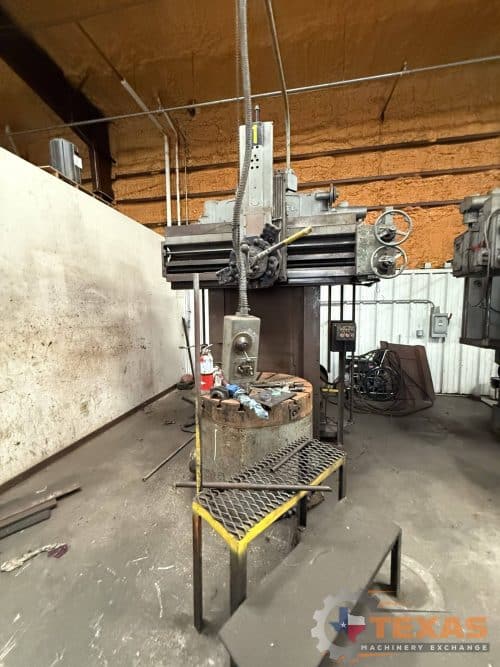
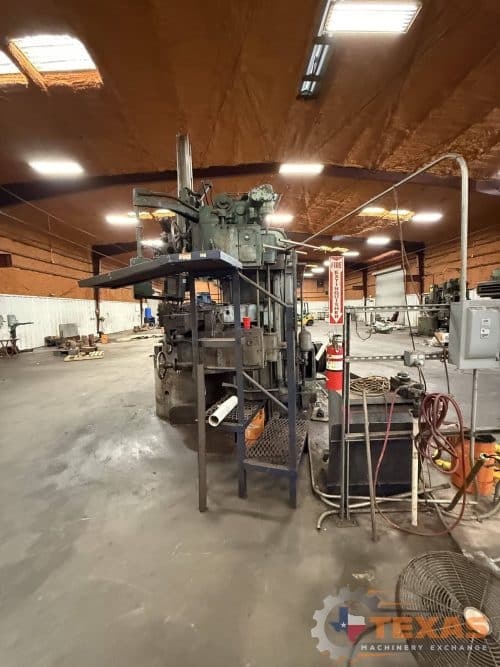
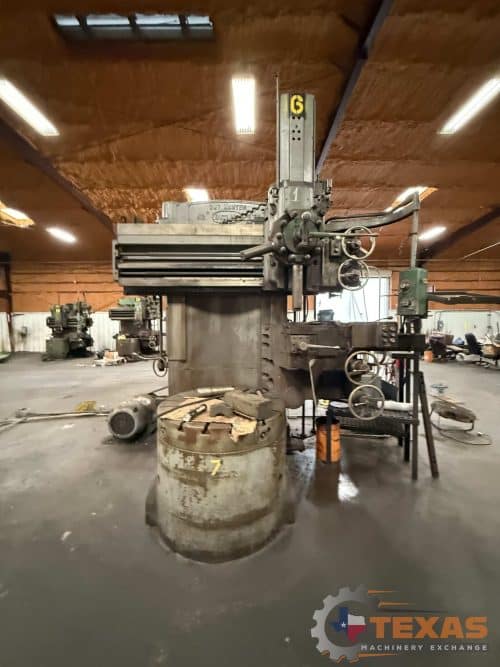
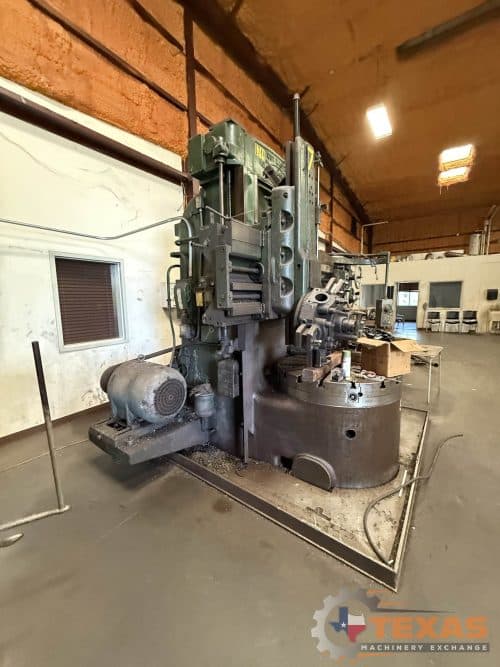
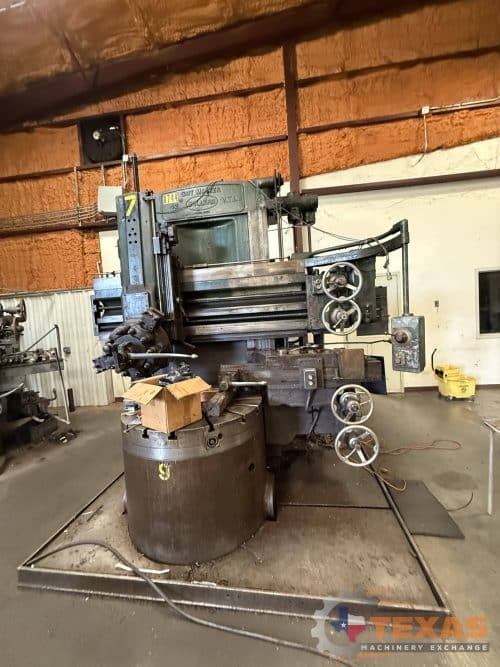
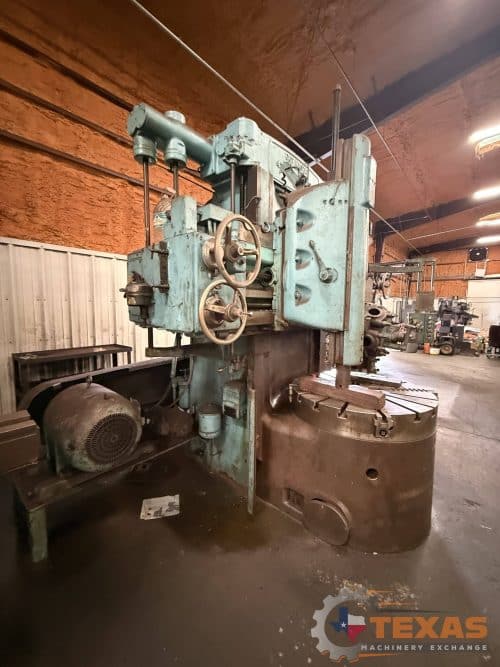
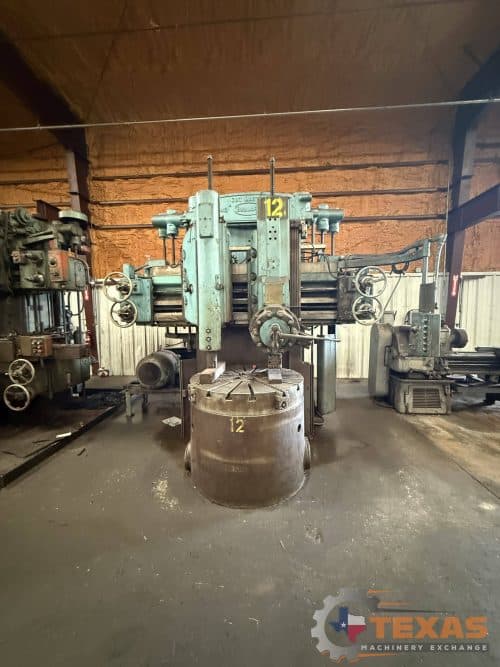
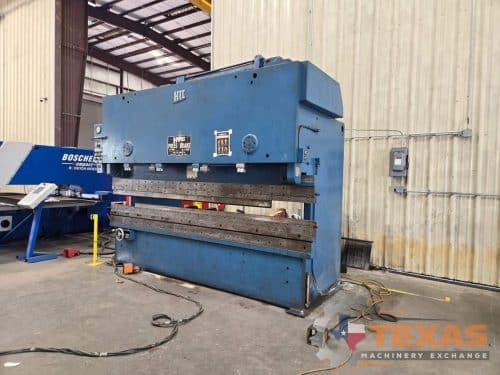
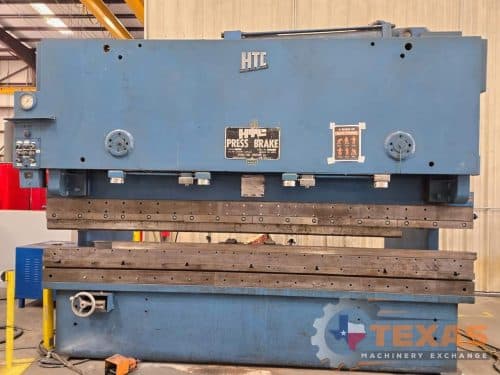
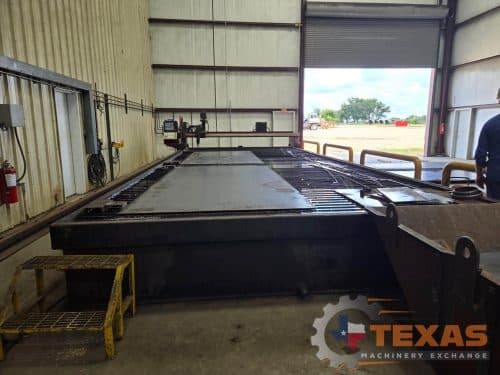
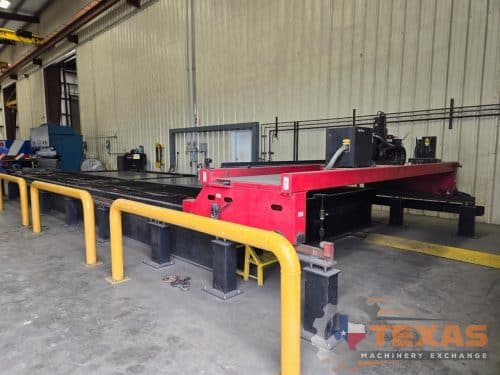
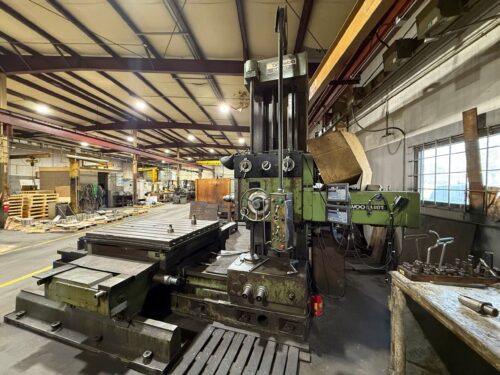
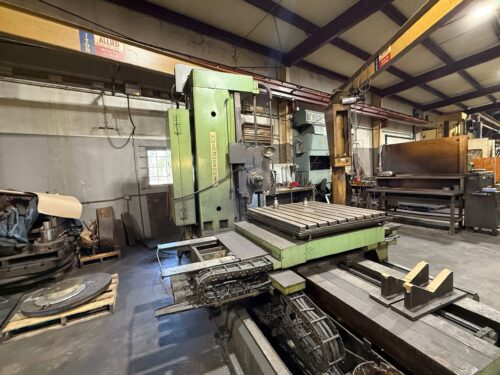
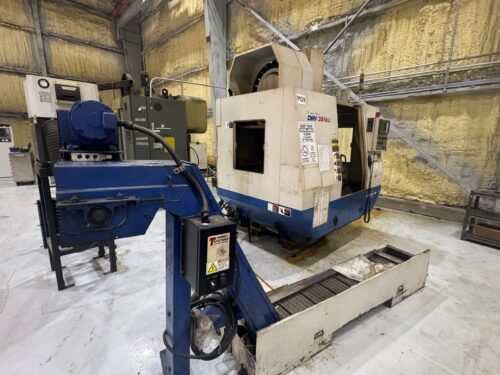
When exploring the market for used machinery, it's crucial to understand the various types available. From CNC lathes and milling machines to hydraulic presses and plasma tables, each type serves specific manufacturing needs.
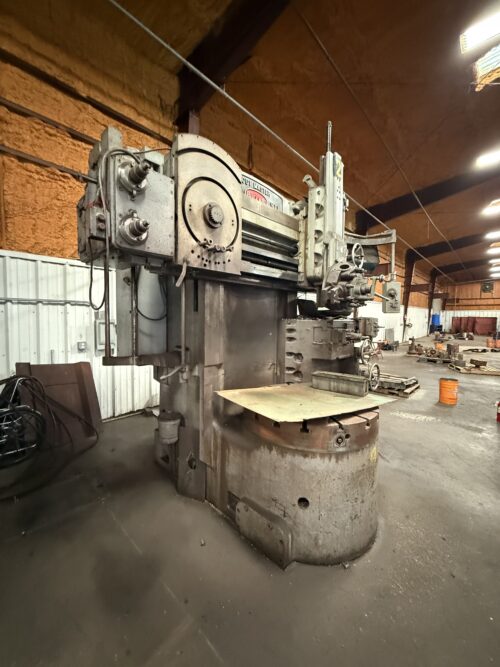
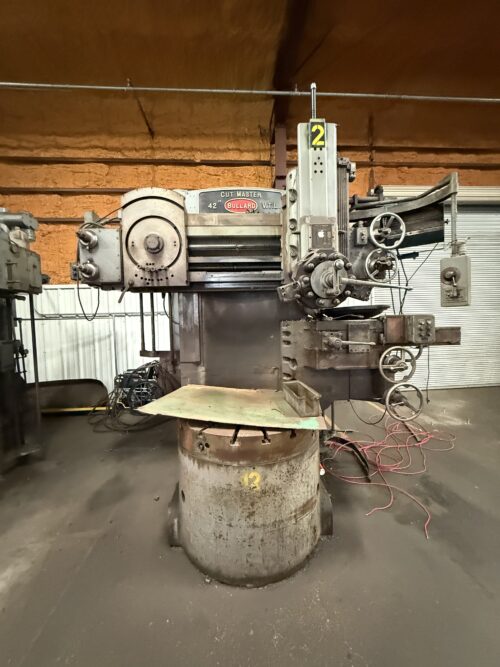
For example, CNC lathes are designed for turning operations, while milling machines are used for cutting and shaping materials. Knowing the differences can help businesses choose the right equipment that aligns with their production requirements and enhances operational efficiency.
How to Evaluate Used Machinery Before Purchase
Evaluating used machinery before making a purchase is essential to ensure quality and reliability. Prospective buyers should consider factors such as the machine's condition, maintenance history, and any warranties or guarantees offered by the seller.
It's also beneficial to request a demonstration or inspection of the equipment to assess its functionality. By taking these steps, buyers can make informed decisions and avoid potential pitfalls associated with purchasing used machinery.