
-
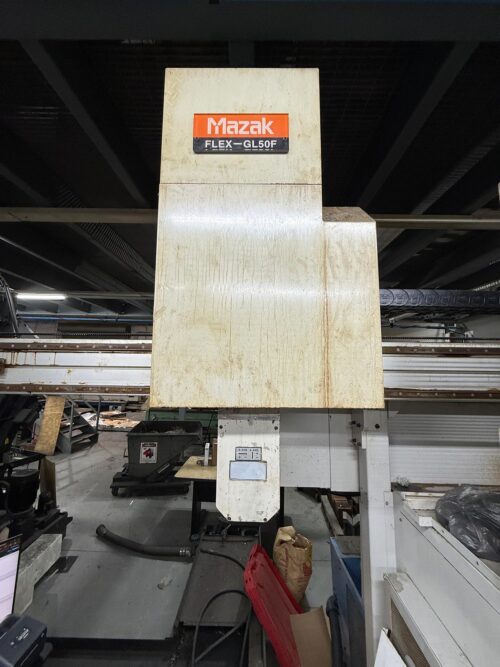
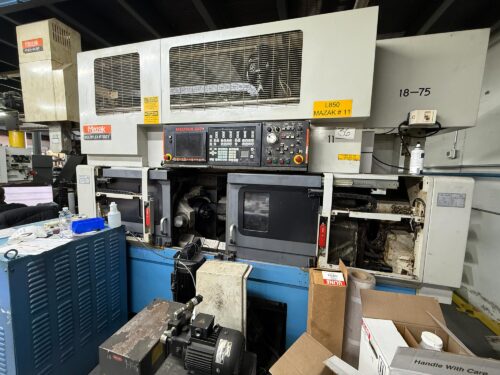 The 2008 Mazak MULTIPLEX 6100Y is a high-productivity dual-spindle, dual-turret CNC turning center designed for complete part machining in a single setup. Featuring Y-axis capability and simultaneous machining on both spindles, this machine is ideal for complex, high-volume production requiring precision, speed, and process efficiency.
 -
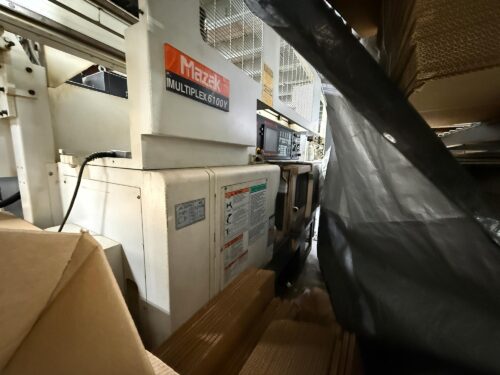 The 2008 Mazak MULTIPLEX 6100Y is a high-productivity dual-spindle, dual-turret CNC turning center designed for complete part machining in a single setup. Featuring Y-axis capability and simultaneous machining on both spindles, this machine is ideal for complex, high-volume production requiring precision, speed, and process efficiency.
 -
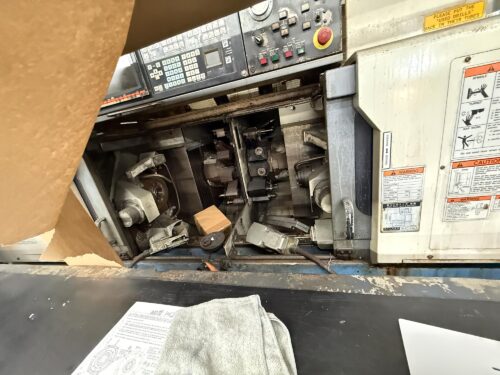
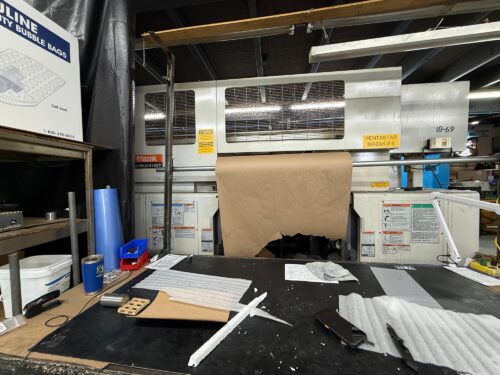 The 2009 Mazak MULTIPLEX 6100Y is a dual-spindle, dual-turret CNC turning center engineered for high-volume, high-precision production. With Y-axis capability, simultaneous machining, and automatic part transfer, this machine is designed to complete complex turned and milled components in a single setup with exceptional efficiency.
 -
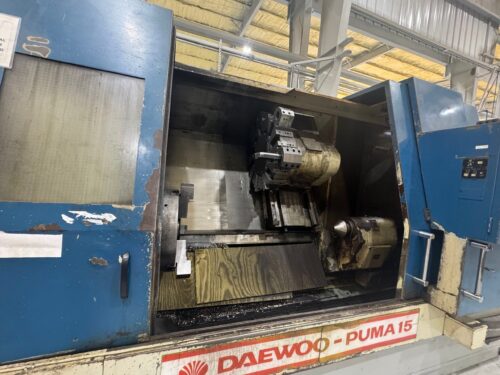
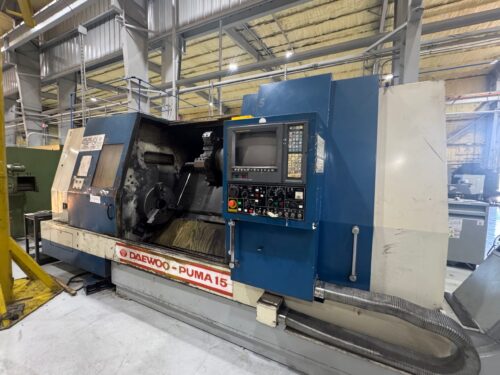
The Daewoo Puma 15 is a compact CNC turning center with a 17.7″ swing, 9.8″ max cutting diameter, and 20″ cutting length, equipped with a 10-station turret and 20 hp spindle for reliable turning operations.

Ready to Move Metal?
List, sell, or find your next CNC machine—fast.
get in touch.
sales@texasmachineryexchange.com
Texas Machinery Exchange
Serving the United States & Mexico.
© 2013 - 2026 | Texas Machinery Exchange | All Rights Reserved | Terms & Conditions | Pro Website Design
