Overview of Plate Rollers
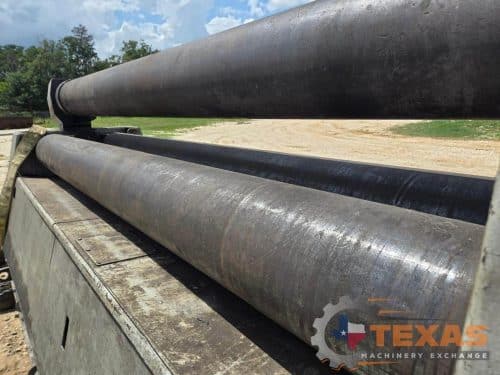
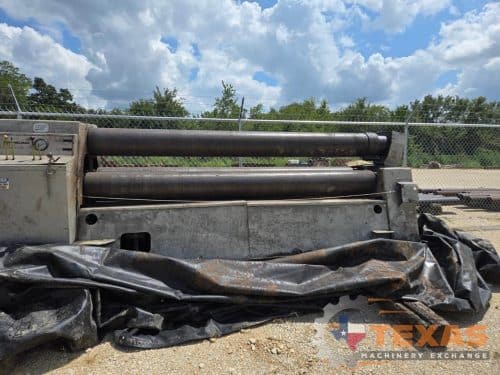
Plate rollers are essential machines used in metalworking to bend and shape sheets of metal into cylindrical forms. These machines are particularly valuable in industries such as construction, manufacturing, and shipbuilding, where precise metal fabrication is crucial.
Typically, plate rollers come in various sizes and capacities, accommodating different thicknesses and widths of metal sheets. Understanding the specifications and capabilities of each plate roller is vital for businesses looking to invest in equipment that meets their production needs.
Benefits of Using CNC Plate Rollers
CNC plate rollers offer enhanced precision and efficiency compared to traditional manual rollers. By automating the bending process, these machines reduce human error and allow for more complex shapes to be produced with consistency.
Additionally, CNC technology enables operators to program specific bending patterns, significantly speeding up production times. This is especially beneficial for businesses that require high-volume outputs or need to maintain tight tolerances in their metal components.
How to Choose the Right Plate Roller
Selecting the right plate roller involves considering several key factors, including the thickness of the material, the desired bend radius, and the overall production capacity required. Companies should assess their specific applications to determine which model best suits their needs.
It's also important to evaluate the machine's features, such as its control system, ease of use, and maintenance requirements. Consulting with industry experts or suppliers can provide valuable insights into making an informed decision.
Maintenance Tips for Plate Rollers
Regular maintenance is crucial for ensuring the longevity and performance of plate rollers. Routine checks should include inspecting the machine for wear and tear, lubricating moving parts, and ensuring that the calibration remains accurate.
Establishing a preventative maintenance schedule can help identify potential issues before they lead to costly repairs or downtime. Additionally, operators should be trained on proper usage techniques to minimize wear and maintain optimal functionality.