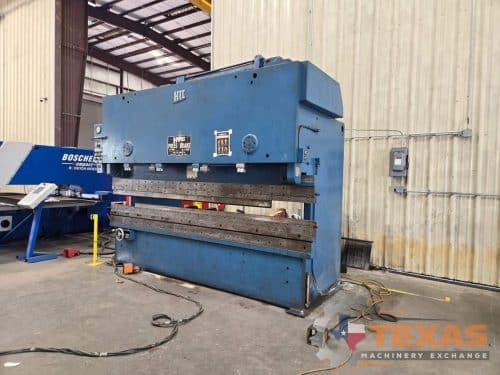
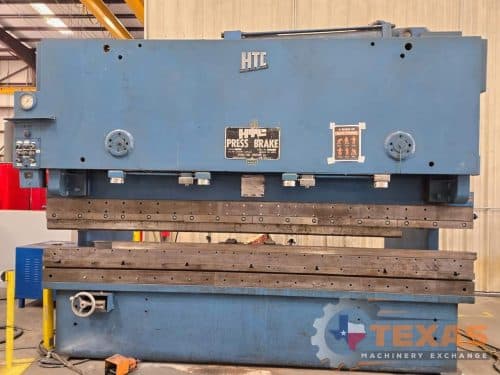

Overview of Press Brakes
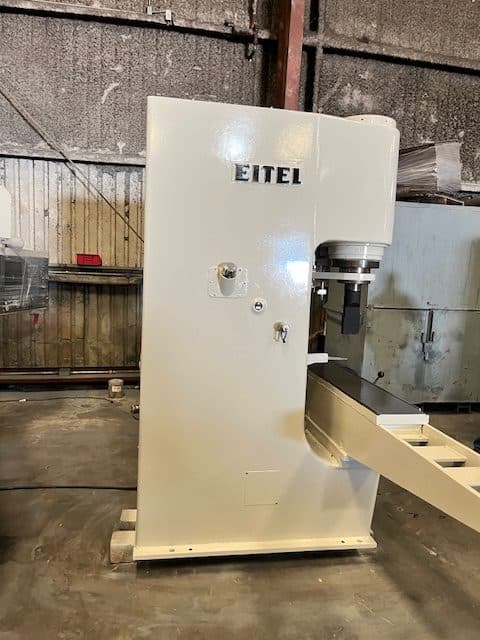
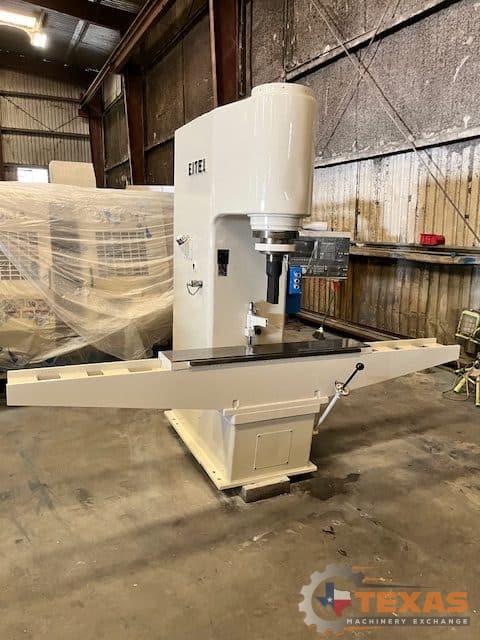
Press brakes are essential machines used in metalworking to bend and shape sheet metal with precision. They utilize a combination of hydraulic or mechanical force to apply pressure on the material, allowing for various bending angles and shapes.
These machines come in different sizes and capacities, catering to various industrial needs. For instance, CNC press brakes offer programmable controls for intricate designs, while traditional models are favored for their simplicity and reliability in straightforward bending tasks.
Benefits of Using CNC Press Brakes
CNC press brakes enhance productivity and accuracy in metal fabrication processes. Their computer numerical control allows for automated programming, which significantly reduces the risk of human error and increases repeatability in production runs.
Additionally, CNC models often feature advanced safety mechanisms and user-friendly interfaces, making them accessible for operators of varying skill levels. This technology is particularly beneficial for businesses aiming to streamline operations and improve overall output quality.
How to Choose the Right Press Brake
Selecting the appropriate press brake involves considering several factors, including the type of material, thickness, and the complexity of the bends required. It's crucial to assess the machine's capacity and functionality to ensure it meets specific project demands.
Moreover, evaluating the manufacturer’s support and warranty options can provide peace of mind. For instance, Texas Machinery Exchange offers a selection of reliable brands that come with comprehensive support, ensuring customers can make informed decisions based on their operational needs.
Maintenance Tips for Press Brakes
Regular maintenance is vital for ensuring the longevity and performance of press brakes. Key practices include routine inspections of hydraulic systems, checking for leaks, and keeping the machine clean to prevent debris buildup that can affect operation.
Additionally, it's advisable to follow the manufacturer's guidelines for lubrication and replacement of worn parts. Investing time in maintenance not only prolongs the life of the machine but also enhances safety and efficiency during use.